
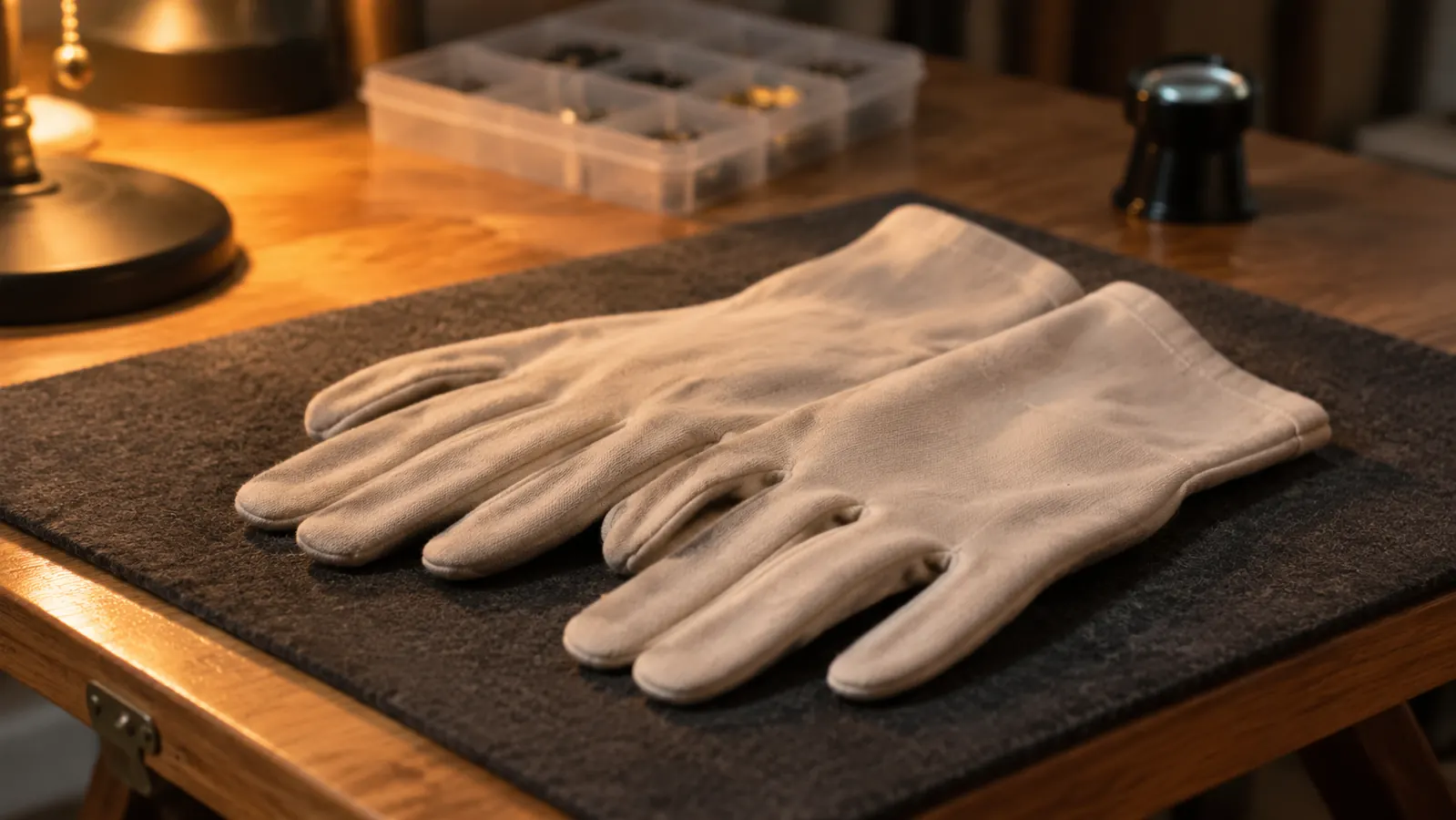
Two years ago I bought a twelve pair pack of Zealor cotton gloves for one reason. I was tired of handling uncirculated Lincoln cents with bare fingers and then second-guessing myself for the rest of the evening about a print I might have left on a field. What I did not expect was how much of the glove question turns out to be about fit and lint rather than about the coin itself. Nobody tells you that part. A glove that is loose at the fingertips costs you more in fumbles than it saves you in fingerprints, and a glove that sheds leaves fibers on the exact surface you were trying to keep clean.
This is the honest version of that purchase. Not whether a collector should own cotton gloves, because for most of us the answer is yes, but what these particular ones do well, where they irritated me, and the specific jobs where I now leave them in the drawer and reach for nitrile instead. I have no stake in whether you buy them. I do have an opinion about the two claims in the listing that actually matter to a collector, which are the fit and the washing.
This is not a complicated purchase and I am not going to dress it up as one. Twelve pairs of cotton gloves is not a decision that needs a spreadsheet, and mine have held up for roughly a year of regular use before the thumbs started to wear through. That is the whole case. The rest of this review is about the details that decide whether you actually wear them or leave them in the tray feeling mildly guilty every time you reach past them.
The Quick Verdict
A useful bulk glove for sorting, album work and slab handling. Buy it expecting a roomy fit and a little shedding for the first two washes, and it earns its place. Buy it expecting a surgical fit and you will be annoyed by Friday.
Amazon Check Today's Price →Twelve pairs in a drawer beats one pair you keep forgetting to wash
The Zealor pack is a bulk buy, and that is the whole point. Keep a pair in the coin room, a pair in the club bag, and a spare for whoever is sitting across the table from you.
Amazon Check Today's Price on Amazon →How I Have Actually Used Them
My coin room is the spare bedroom with a folding oak desk, a desk lamp, a felt pad and a small plastic tray. The tray is where the gloves live, folded, next to a loupe and a soft brush. That sounds more organized than it is. In practice one pair is usually on the desk, one is in the wash, one is in the car, and the rest are wherever they landed.
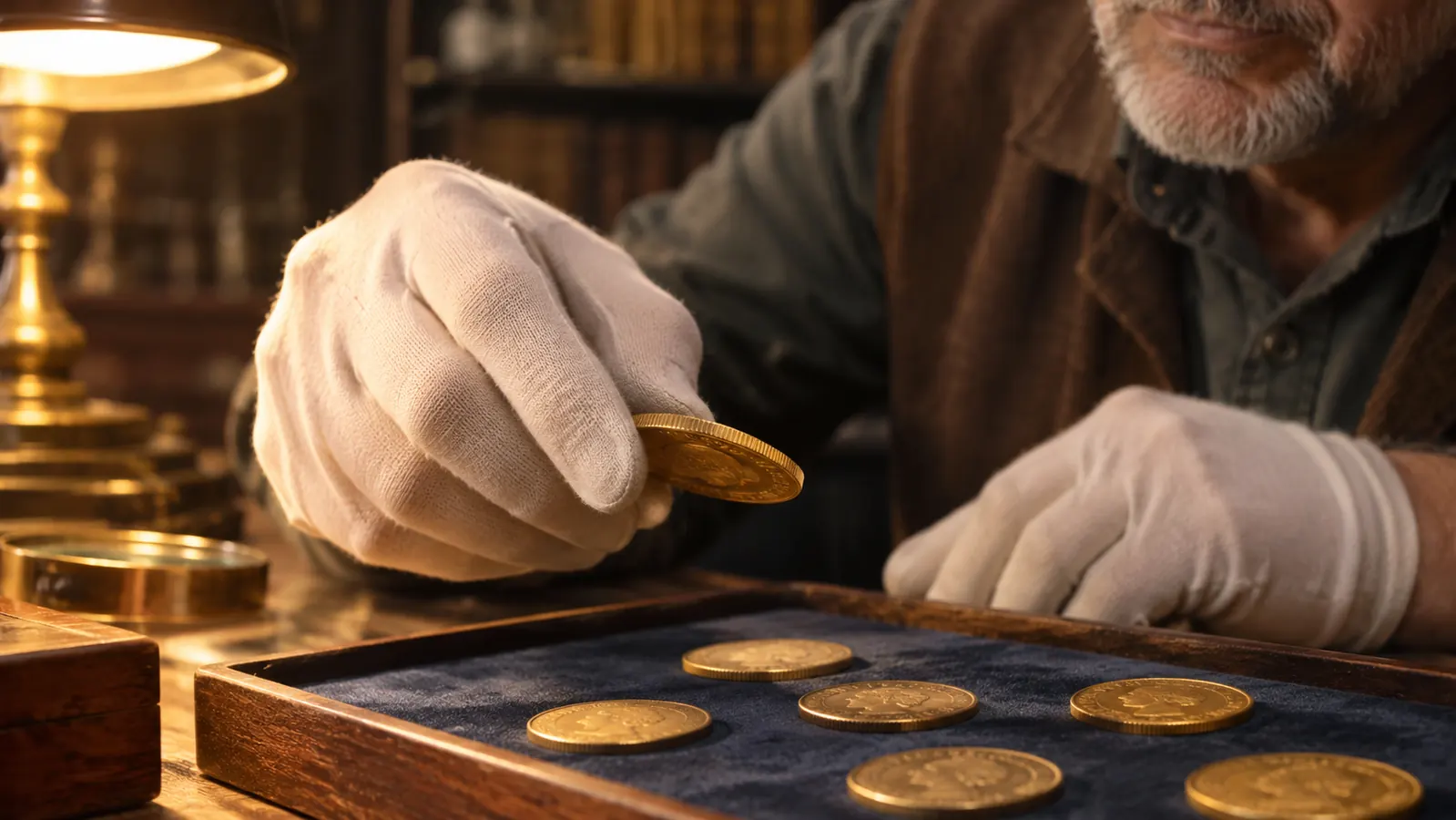
Where these gloves earn their place is bulk work. My grandfather left me a coffee can of mostly wheat pennies and old nickels when I was twelve, and I still have a partial can of unsorted material in the closet. Sorting that by date and mint mark is an hour of handling dozens of coins, and cotton is the right tool for it. The cloth is soft, it does not scratch a circulated surface, and it keeps the oils off a coin that might turn out to deserve a second look.
The second place they earn it is album work. Sliding a coin into a cardboard holder or pressing it into a folder is exactly the kind of handling where a bare thumb touches a field without you noticing. Cotton slows me down in a useful way. I also hand a pair to Tyler when he is sorting with me on Sunday afternoons, and the fact that I have twelve pairs means I do not have to think about it before I do.
Where they fall down is fine work. Picking one uncirculated cent out of a tray to look at a die variety under the loupe is fiddly in a loose cotton glove. The fabric bunches, the fingertips have slack in them, and I end up pinching with two fingers like I am lifting a hot pan. For that job I take the glove off or put on nitrile.
The other use is shows. A couple of times a year I drive to a regional show, and the dealers with the good boxes expect you to handle material carefully. I carry a pair in the bag. It is not about impressing anybody. It is that a dealer watching you put a gloved hand into a box of better dates is more willing to hand you the next box, and that is worth more than the gloves cost me.
The Fit Is the Whole Story
The listing gives the size as large, one size fits most, with a length of 9.2 inches and a width of 3.4 inches. My hands are average for a man my size, and the fit is roomy. Not falling off, but roomy. There is a good half inch of slack past my longest finger, and that slack is exactly what makes the fingertip work awkward.
Carol has smaller hands than I do and tried a pair when she was helping me move a box of folders. On her the glove was genuinely too big, with the fingertips folding over. She took them off and used a dish towel instead. If your hands run small, plan on these being a sorting tool rather than a handling tool, or look for a glove cut smaller than this.
The other fit issue is the seam. There is a seam across the fingers on these, and on a couple of pairs from my pack the seam sits slightly proud at the tip of the index finger. Run that across the field of a proof coin and you will feel it. On a circulated coin you will not. That is the honest distinction, and it is why I do not use these on anything with a mirror finish.
Length is worth a note too. The 9.2 inch length means the glove comes up past the wrist, which I like, because it keeps the fabric from riding down while I am working. The listing also gives a thickness of 0.15 inches, and while that reads more like a package measurement than a glove measurement, the cloth itself is on the heavier side of what I expected. It is listed as lightweight and it is, but it is not a tissue thin glove.
Lint, and Why It Matters More Than You Think
The first pair out of the pack left a fine fuzz ring on my felt pad within about twenty minutes. Not a snowstorm, but visible under the lamp. This is a new cotton blend glove behaving like a new cotton blend glove. It is a washing in problem rather than a defect, and I wish the listing said so up front, because the first session is when most people decide the glove is bad.
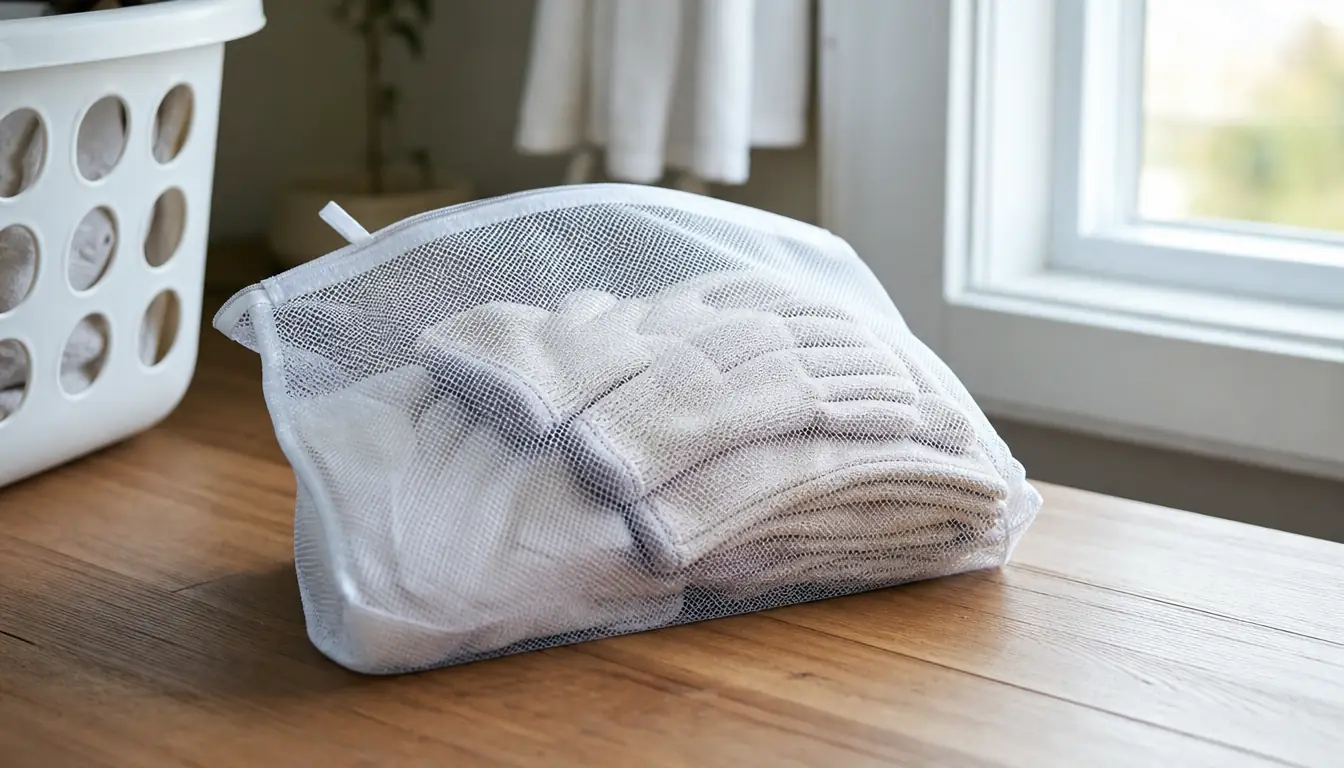
The listing does say they are washable and reusable and that they survive laundering if you put them into a mesh bag. That matches what I found. I wash mine in a mesh bag on a cool cycle and let them air dry flat. After the second wash the shedding dropped off to almost nothing. After the third I stopped thinking about it at all.
Where lint actually matters is narrower than people assume. On a circulated wheat cent, a fiber is an annoyance you blow off. On an uncirculated coin with an undisturbed surface, a fiber sitting on the field while you slide the coin into a holder is a real risk of a hairline. That is the case where I do not use cotton at all. Nitrile, powder free, and I still handle the coin by the edges.
One more thing nobody mentions. White cloth shows everything. After a couple of hours of sorting, the fingertips of my working pair are gray, and that gray is dirt that came off the coins. That is a useful signal, honestly. When the fingers go dark, wash them. It also means a pair of these will never look new again after the first session, so do not buy them expecting a display item.
What the Cotton and Polyester Blend Actually Does
The listing gives the material as cotton and polyester, with no ratio. From wearing them, the blend behaves like a work glove rather than a fine cotton glove. Pure cotton would be softer, would shed more, and would shrink harder in the wash. The polyester content is the reason they come out of the machine roughly the size they went in, which matters when you are washing a dozen of them at once.
It also means they are not especially absorbent compared to pure cotton. For coin work that does not matter. For cleaning, which the listing also mentions as a use, it does, and I keep one pair away from the coin tray for exactly that reason. A glove that has been used to wipe a shelf should not then touch a coin, and having twelve pairs makes that separation easy instead of theoretical.
They are not waterproof, which the listing states plainly. A wet hand inside a cloth glove is unpleasant and pointless. If you are handling coins, dry hands, dry glove, no exceptions, and the same rule applies if you are handling paper money or old cardboard holders.
Where These Beat Nitrile
Breathability is the big one. I can wear cotton for an hour and forget about it. Nitrile for an hour and my hands are damp, and a damp hand inside a glove is a worse handling surface than a dry bare hand. For long sorting sessions cotton wins on comfort without much argument.
The second advantage is grip on paper and cardboard. Album pages, cardboard holders, paper envelopes, all of that is easier to handle in cotton than in nitrile, which slides. If your evening is mostly putting coins away rather than examining them one at a time, cotton is the better glove for the work.
The third is that twelve pairs changes how you behave. I keep a pair in the glove compartment, a pair in the bag I take to the monthly club meeting, and several in the tray. When a glove is always within reach, you wear one. When you own a single pair and it is in the wash, you handle coins bare and tell yourself it is fine. That behavioral part is the real value of a bulk pack, and it is the part a listing cannot say.
Where They Do Not
Anything with a mirror field, these are the wrong glove. Lint and seams, as above. Nitrile is the right answer there, and powder free nitrile is not the expense people assume it is. That is why I keep both in the coin room rather than picking a side and defending it. A collector who only owns one type of glove is usually using the wrong one half the time.
Fine picking is the other one. If your session is one coin, one loupe, one variety to check, the glove is more friction than help. I take it off. That is not a knock on the Zealor gloves specifically. Any loose cotton glove has the same problem, and I have handled enough of them at club meetings to say so with some confidence.
What I Would Change
If I could change three things about this pack, I would change the sizes first. A medium cut would turn a decent sorting glove into a good handling glove for a lot of people, including Carol and probably a fair number of the men reading this. Second, I would stitch the fingertip seams flatter, because that is the difference between a glove I trust near an uncirculated coin and one I keep at arm's length from it.
Third, I would put the mesh bag in the pack. The listing tells you to wash them in one and then does not include one, which is a small thing that would cost almost nothing and would keep people from ruining their first pair in the machine. I use a mesh bag I already had for delicates, and I suspect most buyers do the same or skip the bag and regret it.
What I Liked
- Twelve pairs in one pack, so a clean pair is always within reach
- Soft cotton and polyester blend that will not scratch a circulated coin
- Long 9.2 inch cut stays up past the wrist while you work
- Washable in a mesh bag, and they come back softer with less shedding
- Comfortable enough for an hour of sorting without sweaty hands
- Room to hand a pair to a kid or a guest without thinking about it
Where It Falls Short
- One size only, and the large cut is genuinely roomy on smaller hands
- Loose fingertips make picking up a single coin awkward
- Noticeable shedding for the first wash or two
- Seams on some pairs sit slightly proud at the fingertip
- Not a substitute for nitrile on proofs or anything with a mirror field
- White cloth shows every bit of dirt within one session
The first pair left a visible fuzz ring on my felt pad. By the third wash that stopped. That is the whole lint story, and it is a washing in problem, not a glove problem.
Who This Is For
This is for the collector who handles a lot of coins and wants a glove that is comfortable, affordable enough to own in quantity, and good enough for circulated material. If your week involves a bag of pocket change, a stack of albums, or a box of slabs that need rehousing, twelve pairs of these will do the job and you will not baby them.
It is also for the collector who is teaching somebody. Tyler is ten and sorts with me on Sundays, and having spare pairs means he wears one without me hovering over him. Same for a club member who forgot theirs, which happens at every meeting I have ever attended. Practical beats precious when the goal is simply to keep hands off the metal.
Who Should Skip It
If your collection is mostly uncirculated and proof material, skip these and buy powder free nitrile. You will spend less time fighting lint and seams, and your coins will be better for it. There is no version of this where a loose cotton glove is the right tool for a mirror field, no matter how carefully you wash it.
If your hands run small, or if what you really want is a glove for picking individual coins out of a tray, skip these too. The one size large cut does not give you the fingertip control that job needs. Look for a smaller cut, or accept that these are a sorting glove rather than a handling glove, and buy accordingly.
Buy them as a sorting glove, not a display glove, and they do the job
Twelve pairs of cotton and polyester, washable in a mesh bag, long enough to stay past the wrist. Keep one pair in the coin room, one in the club bag, and a spare for whoever is sorting across the table.
Amazon Check Today's Price on Amazon →